Blog

What Is a Solar Light Tower and How Does It Work?

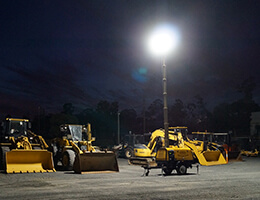
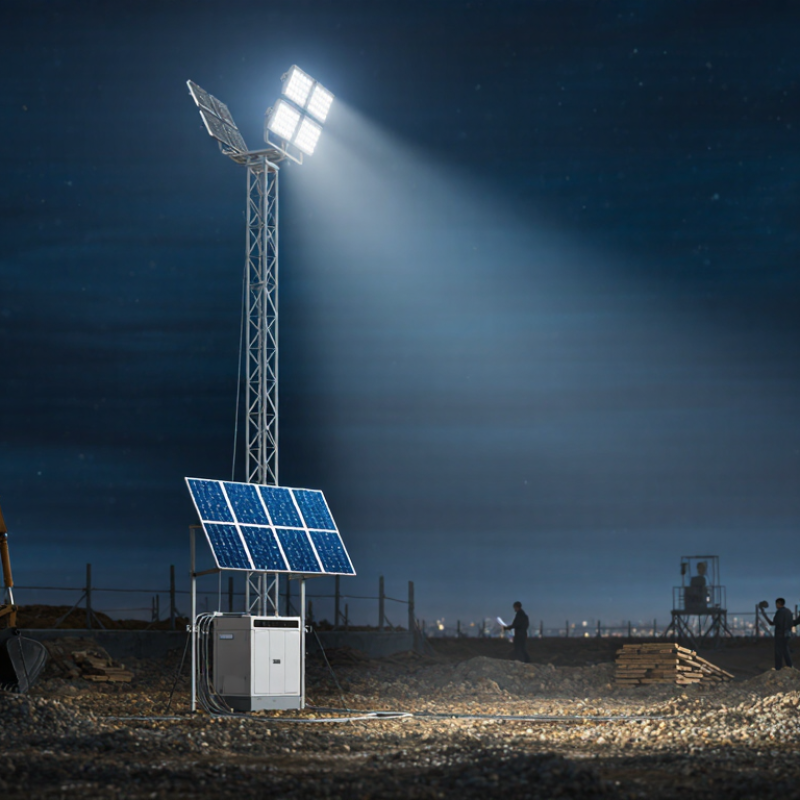
A dark construction site changes after sunset. Gravel turns uneven, equipment edges disappear, and crews need steady light without relying on a nearby power connection. A Solar Light Tower combines photovoltaic panels, battery storage, LED floodlights, and a raised mast to provide that illumination. During daylight, the panels convert sunlight into electricity and charge the batteries. After dusk, a controller powers the lights, often with settings that adjust brightness or operating hours. The system sounds simple. Its actual performance depends on sunlight, battery capacity, weather, and how long the lights run.

The wider energy shift helps explain the technology’s growing relevance. IRENA’s Renewable Capacity Statistics 2024 reports that solar power added about 346 gigawatts of capacity worldwide in 2023, within 473 gigawatts of total renewable additions. Those figures describe the power sector, not solar lighting towers specifically. They do, however, show how quickly solar technology is scaling. For buyers, the practical questions remain more immediate: How many hours of light are needed? Can the tower recharge after cloudy days? Will its beam reach the work area without wasting light beyond it? Small details matter. A tall mast may illuminate a broad site, but poor placement can still leave shadows beside machinery. This guide explains what a Solar Light Tower is, how its main components work together, and what affects its real-world output. The trade-offs deserve a close look. Solar can reduce fuel deliveries, yet performance is not automatic; it must match the site and the season.
What Is a Solar Light Tower and How Does It Work?

## What Is a Solar Light Tower?

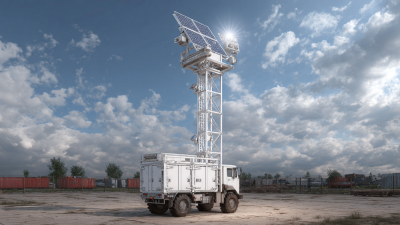
A solar light tower is a mobile lighting system that collects sunlight, stores electricity in batteries, and powers elevated LED lamps after dark. Its typical parts include photovoltaic panels, a battery bank, a charge controller, a mast, and a wheeled trailer. Some units also include a backup generator for extended cloudy periods. At dusk, a timer or light sensor can switch the lamps on. The mast lifts them above vehicles and work areas, while adjustable fixtures direct light toward the ground. No fuel required during normal solar operation.

These towers are useful at roadwork sites, temporary events, and remote work areas without convenient grid access. IRENA’s Renewable Power Generation Costs in 2023 report found that utility-scale solar PV’s global weighted-average electricity cost fell 90% between 2010 and 2023. That trend reflects wider solar progress, not a guarantee of lower tower costs. In practice, lighting hours depend on panel size, battery capacity, weather, and the brightness setting. A shaded panel or several dim winter days can reduce runtime. The tower may look self-sufficient, but its battery still needs careful sizing. That trade-off matters.

## Main Components of a Solar Light Tower

A solar light tower combines power generation, storage, lighting, and a support structure. Photovoltaic panels convert daylight into electricity, even on cloudy days, though output may fall. Their angle and cleanliness matter. Dust on the glass can quietly reduce charging.

A charge controller regulates energy flowing from the panels to the battery and helps prevent damaging overcharging. The battery stores electricity for nighttime use; its capacity affects how long the lights can run.

Capacity matters.

LED fixtures use stored power to illuminate a work area, with adjustable brightness helping balance visibility and runtime. A mast raises the fixtures above ground level, while a trailer or stable base supports the tower and allows repositioning. Some units also include sensors or timers that switch lights on automatically.

The control enclosure protects electrical components from weather, but it still needs inspection. In practice, panel shade, cold temperatures, and cloudy stretches can all affect performance. The parts may look simple, but their sizing and setup need to match the site’s lighting demands.

## How Solar Panels Generate and Store Power

## How Solar Panels Generate and Store Power

A solar light tower turns daylight into stored electrical energy through a compact chain of components. Photovoltaic cells absorb sunlight and produce direct-current electricity. A charge controller regulates that current before it reaches the battery, helping prevent overcharging and excessive discharge. At dusk, the battery supplies power to the lights; an inverter may also convert stored electricity to alternating current for compatible equipment. The exact layout varies by tower.

Sunlight is not a steady fuel. Cloud cover, panel angle, dust, and nearby shadows can reduce daily output. NREL’s PVWatts model applies a default 14% system-loss assumption, accounting for factors such as wiring, soiling, and mismatch. That is a modeling benchmark, not a prediction for every tower. A dusty panel after a dry week may need cleaning before its output recovers.

Battery capacity affects how long a tower can run through dark or cloudy periods. NREL’s 2024 Annual Technology Baseline uses 85% round-trip efficiency as a reference assumption for utility-scale lithium-ion storage. A portable tower’s actual efficiency may differ because its battery, controller, temperature, and load are different. Check the rated battery capacity and expected operating hours, then compare them with local sunlight conditions. Even a sensible estimate can miss a run of cloudy days.

What Is a Solar Light Tower and How Does It Work?

Hourly solar energy production and lighting demand in an illustrative sunny-day profile.

This modeled example uses a 3 kW solar array and a 0.3 kWh hourly lighting load overnight. During daylight, the panels generate electricity; a charge controller directs surplus power to the battery. After sunset, the battery supplies the lights. Actual output depends on sunlight, panel angle, system efficiency, and battery capacity.

## How the Lighting System Operates

A solar light tower turns sunlight into stored electricity, then uses that energy to run its lamps after dark. During daylight, photovoltaic panels produce direct-current power. A charge controller regulates the flow into the battery, helping prevent overcharging and protecting the battery from excessive discharge.

At dusk, a light sensor or timer signals the controller to switch on the LED fixtures. At dawn, they switch off and charging resumes. Then darkness falls.

The U.S. Department of Energy’s Energy Saver guidance says LEDs use up to 90% less energy than incandescent lighting, which helps reduce the battery capacity needed for a given light output. Actual runtime still depends on the lamp’s power, battery size, panel exposure, and recent weather. A tower parked beside a building may lose afternoon sun; dust on the panels can also cut charging.

Small detail, big effect. Operators can check battery status and panel cleanliness, then adjust the mast to spread light across the work area. Cloudy spells make estimates less certain, so the specified runtime should not be treated as a promise. DOE energy-saving guidance offers a useful benchmark, but site conditions decide how the system performs in practice.

## Common Uses and Configurations of Solar Light Towers

Solar light towers are commonly used at construction sites, road repairs, temporary work areas, and outdoor events where grid power is unavailable or inconvenient. A tower can illuminate a material laydown area or a crew’s access path without running a cable across vehicle routes. That matters at dusk. For short projects, a towable unit is often practical; sites with frequent relocation may need a compact frame and simple leveling points.

Configurations vary with the work. A mast may support several adjustable LED fixtures, while solar panels can be mounted on the tower or arranged separately to catch better sunlight. Battery capacity, panel area, and lighting output should match the expected hours of use. For example, a crew working through the night needs a different setup from an event that ends before midnight. Keep it level. Aim fixtures toward work surfaces, not drivers or nearby homes, and check for shadows from equipment or structures.

Weather and season affect charging, so a tower sized only for ideal summer conditions may disappoint during cloudy weeks. Some systems use automatic controls or dimming to conserve stored energy; operators should still confirm runtime against the actual schedule. A solar unit is not always the best fit for continuous, high-output lighting in a shaded location. Reviewing site access, sunlight, and required coverage before delivery can prevent a costly mismatch.

What Is a Solar Light Tower and How Does It Work? — Common Uses and Configurations of Solar Light Towers

Common Use Typical Configuration How It Operates Practical Considerations
Construction sites Trailer-mounted tower with a telescoping mast, adjustable LED floodlights, photovoltaic panels, and a battery bank. Panels generate electricity during daylight and charge the batteries. Stored energy powers the LED lights after dark. Position the panels for good sun exposure and aim the light heads to illuminate work areas while limiting glare for workers and nearby traffic.
Roadwork and temporary traffic areas Road-towable unit with a stabilizing base, raised mast, and directional LED fixtures. Battery-powered LEDs provide illumination without requiring a grid connection or continuous engine operation. Set up outside vehicle paths where possible, secure the unit on stable ground, and follow local work-zone and traffic-safety requirements.
Outdoor events and venues Low-noise mobile tower with dimmable or separately controlled LED fixtures and a battery sized for the planned operating period. Solar charging replenishes stored energy between and during daylight hours; the lights draw from the battery when needed. Place towers to cover entrances, paths, and service areas. Check light direction and brightness to avoid disturbing performers, guests, or neighbors.
Emergency response and temporary relief sites Portable trailer or skid-mounted configuration with a quick-deploy mast, battery storage, and optional auxiliary charging input. The battery can provide lighting when the grid is unavailable. Solar charging supports continued use when daylight and suitable weather are available. Actual run time depends on battery capacity, light output, operating hours, and recent sunlight. Keep a backup charging plan for extended cloudy conditions.
Remote worksites and agricultural areas Standalone tower with solar panels, charge controller, battery storage, and LED lights; some installations use a fixed base rather than a trailer. The charge controller manages power from the panels to the battery, while controls switch or schedule the lights as required. Choose a site with minimal shading and account for seasonal changes in daylight. Routine checks should include panel cleanliness, wiring, battery condition, and mast security.
Perimeter and security lighting Fixed or relocatable tower with directional lights, a raised mast, and optional timer, photocell, or motion-based controls. Controls can turn lights on at dusk, operate them on a schedule, or activate selected fixtures in response to detected movement, depending on the system. Confirm the lighting coverage and control settings suit the site. A motion-triggered setup may use less energy, but coverage depends on sensor placement and conditions.

Note: Tower height, panel area, battery capacity, light output, and operating time vary by model and site conditions. Solar charging depends on sunlight, panel orientation, shading, and weather.