Top Mobility Scooter Trends to Watch in 2026?
As we move into 2026, the mobility scooter industry is poised for significant transformations. These changes reflect both technological advancements and the evolving needs of users. Mobility scooters are becoming more than just a means of transportation; they are now seen as valuable tools for independence.
One trend to watch is the integration of smart technology. Features like GPS navigation and health monitoring will redefine user experience. Enhanced battery efficiency is also anticipated, which will enable longer travel distances. Additionally, the market is seeing a push for more stylish designs. Users desire scooters that not only meet functional needs but also express personal style.
Despite these advancements, challenges remain. Accessibility issues and affordability still hinder some potential users. It's vital for manufacturers to address these concerns. Overall, the mobility scooter landscape in 2026 promises innovation, but there's still work to be done to ensure everyone can benefit.
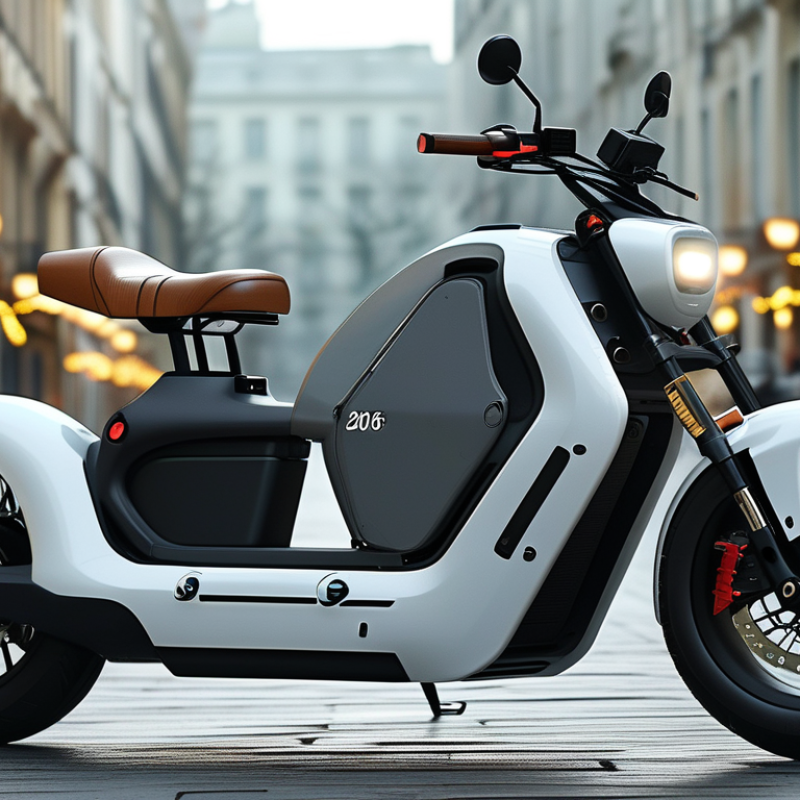
Emerging Technologies in Mobility Scooters for 2026
The mobility scooter market is evolving rapidly. In 2026, several emerging technologies will reshape user experiences. Advanced battery systems will enhance range and efficiency. Manufacturers are exploring lightweight materials to improve speed and maneuverability. Users will appreciate these changes as they promote independence.
Smart features will also gain traction. Integrated GPS systems will help users navigate safely. Health monitoring devices may track vital signs, ensuring user safety.
Connectivity with smartphones could provide real-time updates about scooter performance. Such advancements promise to create a more personalized riding experience.
However, not all advancements are flawless. Some users might find smart technology complicated. Others may resist changes that affect their comfort. Balancing innovation with user comfort will be crucial. As the market grows, listening to user feedback will guide future improvements.
Sustainability Trends Impacting Mobility Scooter Design
As we look ahead to 2026, sustainability will play a major role in mobility scooter design. Designers are focusing on eco-friendly materials. These materials aim to reduce environmental impact while maintaining durability. Innovations in battery technology will lead to longer-lasting scooters. These advancements will enhance the user experience by reducing the frequency of recharging.
Tips for choosing sustainable mobility scooters include looking for models made with recyclable materials. Check if the batteries can be recycled too. Additionally, consider energy efficiency ratings. A scooter that consumes less energy can significantly minimize your carbon footprint.
Moreover, manufacturers are now incorporating more modular designs. This allows users to easily upgrade parts without replacing the entire unit. It’s a practical approach to sustainability and cost-effectiveness. Have discussions with local dealers about the sustainability features they offer. Ask questions to ensure you make an informed choice.
Top Mobility Scooter Trends to Watch in 2026? - Sustainability Trends Impacting Mobility Scooter Design
| Trend | Description | Impact on Design | Sustainability Factor |
| Eco-friendly Materials | Use of recycled and biodegradable materials in construction. | Increased focus on using sustainable materials affecting manufacturing processes. | High |
| Smart Technology Integration | Incorporation of IoT devices for enhanced user experience. | Redesigning control panels and software for user interface improvements. | Medium |
| Lightweight and Compact Designs | Focus on portability and ease of transport. | Streamlined designs that are easier to store and carry. | Low |
| Enhanced Battery Technology | Development of long-lasting, quick-charging batteries. | Revised framework to accommodate new battery models. | Medium |
| Accessibility Improvements | Design changes that make scooters easier for all users. | New ergonomic designs and adjustable features. | High |
User-Centric Features Enhancing Mobility Scooter Usability
As we look ahead to 2026, the mobility scooter industry is focusing on user-centric features that enhance usability. Reports indicate that over 80% of users prioritize comfort and safety in their mobility devices. This trend has led to advancements like adjustable seating, improved suspension systems, and ergonomic controls.
Incorporating smart technology is also a growing trend. Many scooters now feature intuitive displays and connectivity options. Users can track battery life, speed, and distance, promoting a sense of independence. Data from industry analytics reveal that 30% of users prefer scooters with smart capabilities. This shift aims to make mobility more accessible for individuals with varying needs.
**Tips for selecting a mobility scooter:**
Consider the weight capacity to ensure safe use.
Look for features that suit your lifestyle, like portability.
Evaluate the available warranty options for peace of mind.
Reflecting on these advancements, it’s essential to acknowledge that while features may enhance usability, the need for user feedback remains crucial. Some users may find technology overwhelming or underutilized. Understanding this gap can drive further innovation and improve overall satisfaction in the mobility scooter market.
Government Regulations Shaping the Future of Mobility Scooters
As we approach 2026, government regulations play a crucial role in shaping the future of mobility scooters. Authorities worldwide are increasingly focusing on safety and accessibility. These regulations are driven by the need for better user protection and enhanced mobility options for all.
One significant trend is the push for stricter safety standards. Governments may require more robust testing procedures for scooters. This could lead to improved stability features and better brake systems. Users might notice more durable designs as a result of these regulations.
Tip: Always check for compliance with safety standards before purchasing a scooter.
Sustainability is another key area where regulations will likely evolve. Expect to see more incentives for eco-friendly scooter designs. Manufacturers may need to invest in greener technologies to meet future demands. Local authorities could play a role in promoting electric scooters, reducing emissions.
Tip: Stay informed about local regulations that may affect scooter usage in your area.
These changes reflect an ongoing commitment to enhancing the mobility landscape. However, challenges will remain as regulations adapt to technological advancements. Users must remain vigilant about their rights and the evolving landscape.
Market Forecast: Demand and Growth Opportunities in 2026
The mobility scooter market is poised for significant growth in 2026. Industry reports forecast a compound annual growth rate (CAGR) of over 7% in the coming years. The increasing elderly population drives the demand for mobility solutions. By 2026, an estimated 1 in 5 individuals will be over 65 years old. This demographic shift creates a substantial opportunity for the mobility scooter industry.
Technological innovations play a vital role in market transformation. Advanced features like smart connectivity and lightweight designs are gaining traction. A recent market analysis highlighted that consumers are increasingly seeking mobility scooters with enhanced portability and user-friendly interfaces. These features enhance user convenience and safety.
Moreover, the pandemic has emphasized the importance of health and mobility. Many users now prioritize scooters that offer better health monitoring capabilities. Companies addressing this trend can capture a larger market share. The balance between affordability and advanced features remains a challenge. As manufacturers innovate, they must ensure that new products remain accessible to all potential users.