How to Choose Tower Lights for Global Projects in 2026?
Choosing Tower Lights for global projects in 2026 requires more than comparing brightness, price, and delivery dates. A successful selection must match the site, climate, power system, transport route, and local maintenance capability. A tower light beside a dusty road faces different demands from one operating at a windy coastal port. Battery runtime matters. So does mast stability.
Tower-lighting specialist Kevin O’Donnell explains, “The best tower light is the one that keeps working when conditions stop being convenient.” This practical view supports a wider evaluation. Buyers should examine LED output, fuel consumption, battery performance, noise levels, glare control, and emergency shutdown features. Remote monitoring may also reduce service delays across distant sites. However, connected equipment is not automatically better. Weak networks, unfamiliar software, and limited technician training can reduce its value.
Small details often decide performance. Check wheel strength before moving units across rough ground. Confirm generator compatibility before arrival. Review spare-part access near every project region. Weather protection must fit the actual environment, not only a product brochure. Certifications and safety documentation should be verified for each destination. Standards vary, and assumptions create avoidable problems.
This guide compares the main Tower Lights options for international construction, infrastructure, mining, events, and emergency-response projects in 2026. It considers real operating conditions, not showroom claims. Some recommendations may remain imperfect. No single model suits every site. The better decision comes from balancing illumination, logistics, reliability, total ownership cost, and the people responsible for keeping the light running.
Defining Tower Light Requirements for Global Project Conditions
How to Choose Tower Lights for Global Projects in 2026?
Defining Tower Light Requirements for Global Project Conditions
Tower light selection should begin with the worksite, not the catalog. A coastal project needs corrosion resistance, sealed electrical parts, and stable anchoring. A desert site demands dust protection, wide temperature tolerance, and simple fuel maintenance. The World Meteorological Organization reports that weather-related disasters have increased fivefold over the past 50 years. Weather planning is no longer optional.
Light output must match task distance, shadow patterns, and nearby traffic. Excessive brightness can create glare, reducing visibility for drivers and operators. The International Labour Organization estimates nearly three million workers die annually from work-related accidents and diseases. Reliable illumination supports safer decisions, especially around cranes, excavations, and moving vehicles. I would not specify lumens alone. Beam control matters more than impressive numbers.
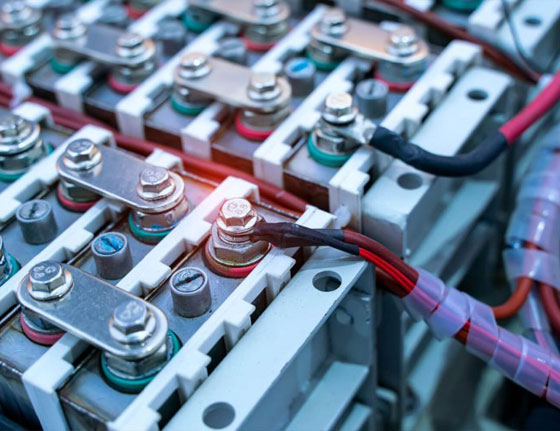
Energy performance also affects global project costs. UNEP’s 2024 Global Status Report for Buildings and Construction states that buildings consume about 32% of global energy and produce roughly 34% of global carbon emissions. Efficient LED fixtures, automatic dimming, and hybrid battery systems can reduce fuel use. Still, battery performance may fall sharply in cold regions. That limitation is easy to overlook. Requirements should also cover noise limits, transport dimensions, spare parts, local electrical standards, and trained servicing. A practical field trial remains valuable, because real dust, wind, and uneven ground often challenge assumptions made in an office.
How to Choose Tower Lights for Global Projects in 2026?
Defining Tower Light Requirements for Global Project Conditions
The chart shows representative ambient-temperature design conditions commonly used during early tower-light selection. Cold regions require low-temperature starting capability, while desert and tropical projects require high-temperature protection and effective heat dissipation. Confirm the final temperature range, ingress protection, wind loading, corrosion resistance, and lighting output against the project specification and local standards.
Reference framework: IEC 60068-2-1 and IEC 60068-2-2 environmental temperature testing, and IEC 60529 enclosure protection classifications. Values are planning benchmarks, not universal site limits.
Comparing Tower Light Types, Features, and Performance
Choosing tower lights for global projects requires more than comparing lumen claims.
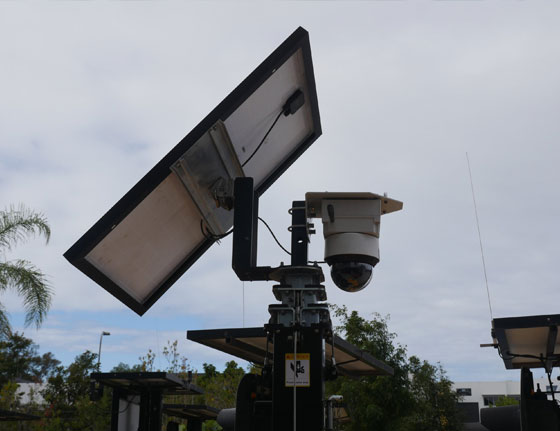
Diesel units suit remote sites with long shifts and fast refueling. Battery-electric models reduce noise and local exhaust, especially near hospitals or residential areas. Hybrid systems can balance runtime and fuel use, but their controls may require trained operators. Solar units work well in predictable sunlight, yet winter weather can expose weak planning.
Performance depends on more than lamp output. The U.S. Department of Energy reports that commercial LED products commonly exceed 100 lumens per watt, although temperature, optics, and maintenance reduce real output. IEA analysis identifies lighting as roughly 15% of global electricity use. That figure supports efficient LEDs, but it does not guarantee lower project costs. Check measured illumination, battery cycles, mast stability, IP rating, and wind resistance. A bright lamp can still create dark work zones.
Tips:
Request a photometric report, not only headline lumens. Compare runtime at full brightness. Test one unit in dust, rain, and uneven terrain. The International Energy Agency’s energy-efficiency guidance also supports reducing standby demand. I would avoid choosing solely by purchase price. Transport distance, fuel storage, service access, and operator training often change the final calculation. The uncomfortable part is simple: published performance rarely matches every site condition. Recheck assumptions after the first night shift.
Evaluating Safety, Compliance, and Regional Standards
Choosing tower lights for a global project in 2026 requires more than comparing lumen ratings. Safety begins with the worksite, not the catalog. Review wind exposure, ground conditions, traffic routes, cable placement, and expected operating hours. A unit beside an airport fence needs different controls from one serving a remote road project. During field inspections, I check stability, guarding, emergency shutdown access, and visible maintenance labels. Small details matter.
Regional standards can change the acceptable design. Electrical requirements, plug systems, grounding methods, electromagnetic compatibility, and lighting limits may differ by country. Some projects require certification from an approved local body, while others accept internationally recognized test evidence. Do not rely on a generic compliance statement. Request current certificates, test reports, ratings, serial traceability, and installation instructions in the local language. Confirm whether the documentation covers the complete light tower, not only its lamp or generator. This is often missed.
A reliable selection process maps each requirement to a measurable check. For safety, examine overload protection, residual-current protection where applicable, heat shielding, noise limits, and safe refueling procedures. For performance, compare maintained illumination, glare control, runtime, and behavior during voltage changes. I have learned that a bright sample can hide poor uniformity across the work area. That mistake deserves attention. Local engineers, inspectors, and utility authorities should review the final specification before shipment. Their feedback may expose assumptions made in a distant office.
Selecting a Reliable Tower Light for 2026 Project Needs
Selecting a Reliable Tower Light for 2026 Project Needs
Global projects are becoming more distributed and energy-sensitive. The International Energy Agency reported nearly 510 GW of new renewable capacity in 2023. Many sites now operate far from stable grid connections. A tower light must therefore handle dust, rain, transport vibration, and long overnight shifts. Brightness alone is not enough.
Check the light output, coverage pattern, runtime, and mast stability. LED systems can use at least 75% less energy than incandescent lighting and last much longer, according to the U.S. Department of Energy. However, advertised runtime may assume mild temperatures and clean batteries. That detail is easy to miss. Ask for test conditions, battery cycle data, and illumination readings at ground level. A simple lux map can reveal dark corners near containers or access roads.
Reliability also depends on serviceability. Choose sealed electrical compartments, weather protection suited to the site, and controls that local crews can understand. IEC 60598-2-4 provides relevant requirements for portable general-purpose luminaires, while ISO 9001-based quality systems can support consistent manufacturing controls. Still, certification does not replace field inspection. A poorly secured mast remains dangerous. Spare lamps may be unnecessary, but spare fuses, connectors, and charging components can prevent avoidable delays. Fuel-powered units may suit remote locations, yet noise, emissions, and refueling effort deserve honest comparison. The cheapest quotation can become expensive after one missed night.