How to Choose the Best Electric Shuttle Carts for Your Needs?
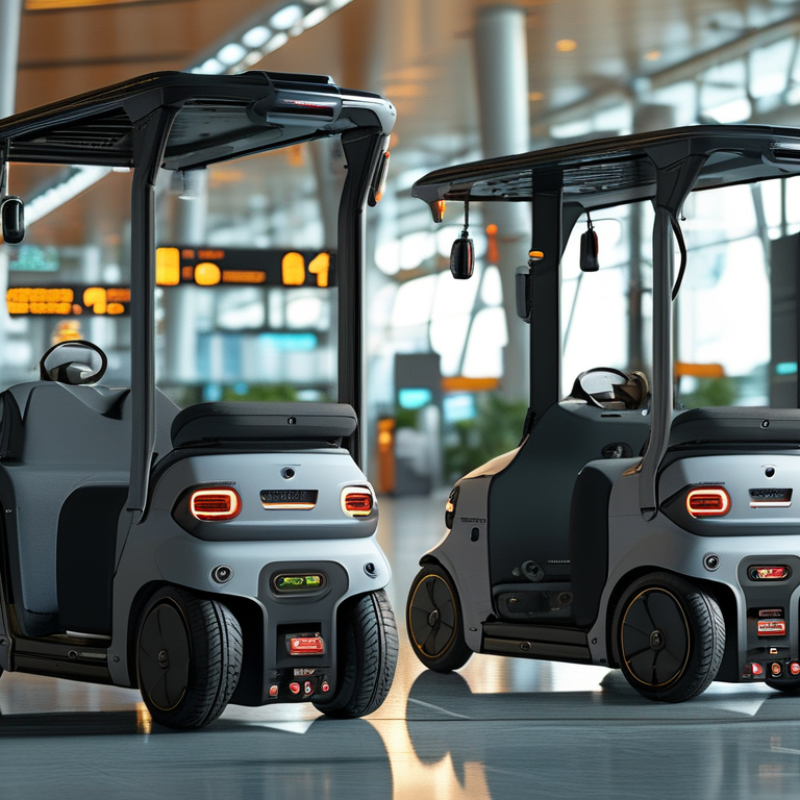
Choosing the right Electric Shuttle Carts for your needs is crucial. The global electric shuttle market is growing rapidly, with a projected CAGR of 6.5% from 2022 to 2027. This growth is driven by increased demand in various industries such as transportation and hospitality. Electric Shuttle Carts offer an eco-friendly solution for moving people and goods efficiently in confined spaces, such as airports, large campuses, and resorts.
When selecting the best Electric Shuttle Carts, consider factors like capacity, range, and charging time. Reports indicate that companies often overlook these critical details. Many users express dissatisfaction due to inadequate capacity for their specific needs. Additionally, the importance of warranty and after-sales service cannot be understated. Poor support can lead to costly downtime and operational inefficiencies.
Investing time in understanding your requirements can lead to better choices. It is essential to explore user reviews and expert opinions to gain insights. Remember, not all Electric Shuttle Carts are created equal. What works for one application may not suit another. Conducting thorough research will ensure that you make an informed decision that meets your expectations.
Factors to Consider When Selecting Electric Shuttle Carts for Your Industry
When selecting electric shuttle carts for your industry, several factors come into play. Consider the weight capacity these carts can handle. Different industries have unique demands, and understanding your needs is critical. For example, a manufacturing facility might require a higher weight limit compared to a hospitality setting. Also, evaluate the speed capabilities. A cart that is too slow can hinder your operations.
Battery life is another essential factor. Carts with short battery lives could lead to interruptions. You want a shuttle that can operate for an entire shift without needing a recharge. Additionally, think about maneuverability. Carts must navigate tight spaces easily. If you work in a congested environment, a compact design is beneficial.
Assess the maintenance requirements, as well. Some electric shuttle carts need regular servicing, which can add costs. Simpler models might not perform as well but could be more practical for your needs. Don’t forget to review the safety features, as these ensure the well-being of your staff. Each industry has different risks, from industrial to healthcare, requiring tailored solutions.
How to Choose the Best Electric Shuttle Carts for Your Needs?
| Feature | Description | Considerations |
| Load Capacity | Maximum weight the cart can carry. | Ensure the capacity meets your transport needs without overloading. |
| Battery Life | Duration the cart can operate on a single charge. | Consider the distance and duration of daily usage. |
| Dimensions | Size of the cart, including width, height, and length. | Ensure it fits within the space available in your facility. |
| Speed | Maximum speed of the cart. | Consider how speed impacts efficiency in your operations. |
| Turning Radius | Minimum distance required to make a turn. | Necessary for navigation in tight spaces. |
| Terrain Capability | Capability to operate on different surfaces (e.g., gravel, grass). | Ensure it's suitable for the environments where it will be used. |
| Safety Features | Additional safety mechanisms like alarms or lights. | Important for operational safety, especially in high-traffic areas. |
| Price | Cost of the electric shuttle cart. | Balance between budget and features required. |
Evaluating the Battery Range and Charging Options for Electric Shuttle Carts
When selecting an electric shuttle cart, battery range and charging options are paramount. Many models offer ranges between 30 to 50 miles on a single charge. For instance, data indicates that vehicles with extended battery packs can reach distances up to 80 miles. This is ideal for larger facilities or campuses where carts need to operate throughout the day.
Charging times also vary significantly. Standard options may take 6 to 12 hours, while fast-charging technologies can reduce this to 2 to 4 hours. According to the Electric Drive Transportation Association, the demand for quick charging solutions is increasing. Users often express frustration with long charging durations, especially in busy settings.
Inspecting the battery management system (BMS) is essential. A reliable BMS can enhance battery life by preventing overcharging and optimizing energy usage. However, some cheaper models may compromise on this technology, leading to issues later. In essence, evaluating the battery range and charging efficiency is crucial for making an informed decision about electric shuttle carts.
Understanding Weight Capacity and Design Versatility in Shuttle Carts
When selecting electric shuttle carts, understanding their weight capacity is critical. A cart's weight capacity determines how much load it can carry. For example, a higher capacity cart can transport heavy items, while a lower capacity model might be suitable for light loads. Think about what you will transport. Consider both the weight of items and the number of passengers if applicable. Matching the cart's capacity to your needs prevents overloading and potential damage.
Design versatility is another essential factor. Many shuttle carts come with customizable features. Some offer adjustable seating configurations or expandable cargo spaces. This flexibility allows operators to adapt to different requirements easily. However, it's vital to reflect on your specific use cases. Will you need to navigate tight spaces? Do you require a cart that can switch from passenger transport to cargo hauling? Finding the right balance between flexibility and your operational demands takes time and thought. It's worth exploring various options before making a decision.
Comparing Features: Comfort, Safety, and Accessibility in Electric Shuttle Carts
When selecting an electric shuttle cart, comfort is key. Consider the seating arrangement. Is it spacious? Are the seats well-padded? A comfortable ride encourages longer use. Test driving can uncover potential issues like lack of legroom or difficult entryways. Pay attention to suspension and ride quality. Rough terrains could lead to a bumpy experience if the cart lacks proper shock absorption.
Safety features shouldn't be overlooked. Look for carts with reliable braking systems, bright headlights, and turn signals. Visibility is crucial for both the driver and pedestrians. A clear safety record is also vital. Research user reviews and expert ratings to gauge reliability. Accessibility features impact user experience too. Ensure the cart has easy step-in access. Ramps or low floors can help those with mobility concerns. Evaluate how well the cart accommodates various needs. A cart that lacks these considerations may not serve its purpose effectively. You want a shuttle that is both practical and secure.
Analyzing Cost-Effectiveness and Return on Investment for Shuttle Cart Purchases
When considering an electric shuttle cart, cost-effectiveness is crucial. Start by assessing your operational needs and budget constraints. A detailed analysis is essential. Determine how often the cart will be used. Consider factors like maintenance costs and battery lifespan. These elements can significantly influence long-term expenses.
Return on investment (ROI) is another key factor. Calculate the savings from improved efficiency and reduced manpower. An electric shuttle cart may save time and labor costs over time. However, be mindful of initial costs. Ensure that the features offered align with your specific needs. Not every high-priced option guarantees quality.
Evaluating different options can be overwhelming. Analyze user reviews and expert recommendations. You might find that specific features don’t justify higher prices. Reflect on your choices. A less expensive cart may meet your needs perfectly. Careful consideration will ensure you choose wisely, making your investment worth it.